
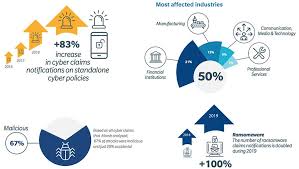
In today’s digital economy, cyber insurance has become one of the fastest-growing segments in the global insurance market. As businesses increasingly rely on technology, data breaches, ransomware attacks, and cybercrime pose serious financial and reputational risks.
Cyber insurance is designed to protect organizations from losses related to cyber incidents. These policies may cover data recovery costs, business interruption, legal expenses, regulatory fines, and even ransom payments. With cyberattacks becoming more sophisticated, demand for this type of insurance has surged worldwide.
One reason cyber insurance is so widely searched is the rise of remote work and cloud-based systems. While these technologies improve efficiency, they also expand the attack surface for hackers. Small and medium-sized businesses, once considered low-risk targets, are now frequently affected by cyber incidents.
Insurers are responding by tightening underwriting standards and requiring stronger cybersecurity measures from policyholders. This includes multi-factor authentication, employee training, and regular security audits. Cyber insurance is no longer just about financial protection—it is about encouraging better risk management.
As digital threats continue to evolve, cyber insurance will play a critical role in helping businesses survive and recover from cyber events. In an interconnected world, managing cyber risk is no longer optional—it is essential.